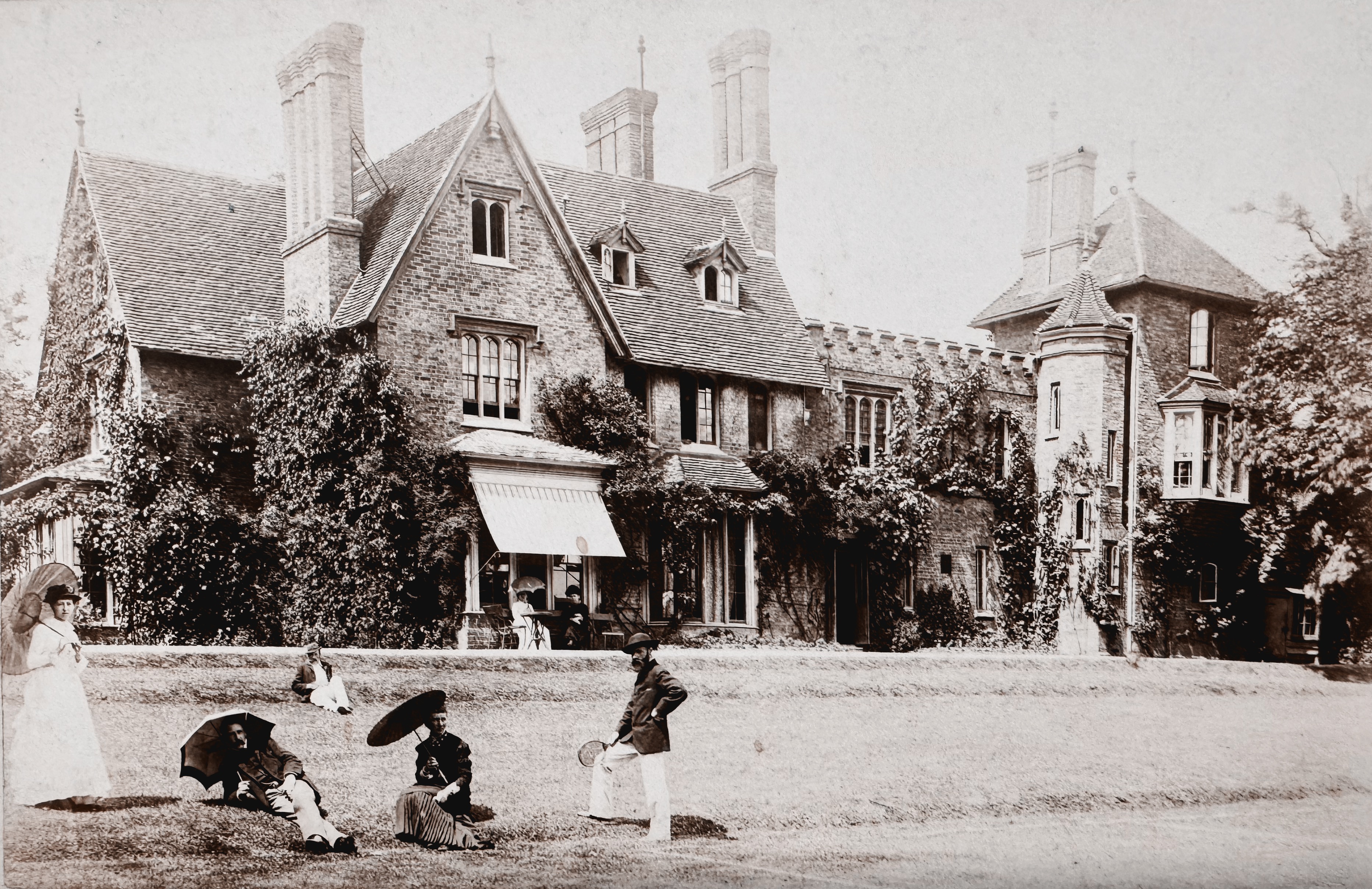
Alfred de Glehn (1848-1936) was born Alfred von Glehn in London, child of a Baltic German father and Scottish mother. His distant forbears originated from Glehn, a village in the Rhineland, and the family lived in Aachen in the late-Middle Ages before moving to Lübeck and then Estonia. De Glehn grew up in a large, cultured and multi-lingual family in Sydenham, South London, with connections across Europe.
Educated at Kings College, London, his first job was in a shipyard in Le Havre, France. Briefly returning to England due to the outbreak of the Franco-Prussian War (1870-71), he went back to France as part of a battlefield medical team and experienced the shocking aftermath of the Battle of Sedan in September 1870, one of the most consequential of the Nineteenth Century that saw Prussia defeat France and establish a unified German Reich.
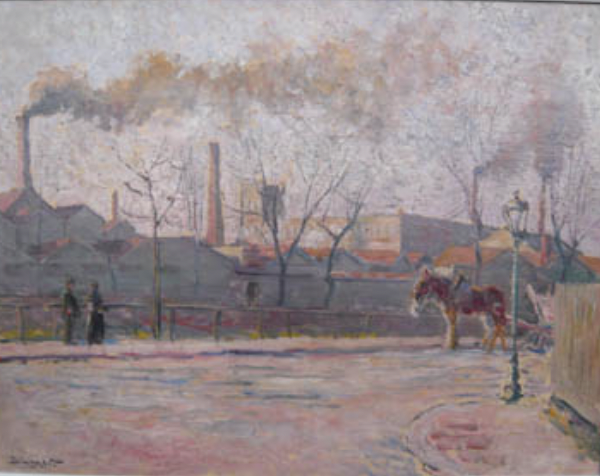
After technical education in Zurich, in 1872 de Glehn moved to the thriving city of Mulhouse in Alsace, newly annexed by Germany, where he was to live for the next 64 years, marrying into a local family. De Glehn lived through the annexation and occupation of Alsace between 1871 and 1918. He was briefly a prisoner in the first year of the First World War, spending time in prison camps in Bavaria.
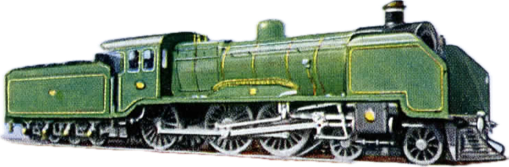
Despite this succession of crises, the company that de Glehn worked for, Société alsacienne de constructions méchaniques (SACM), prospered. De Glehn was at the heart of this enterprise for some thirty years, designing locomotives, and notably his compounds, that achieved a worldwide reputation.
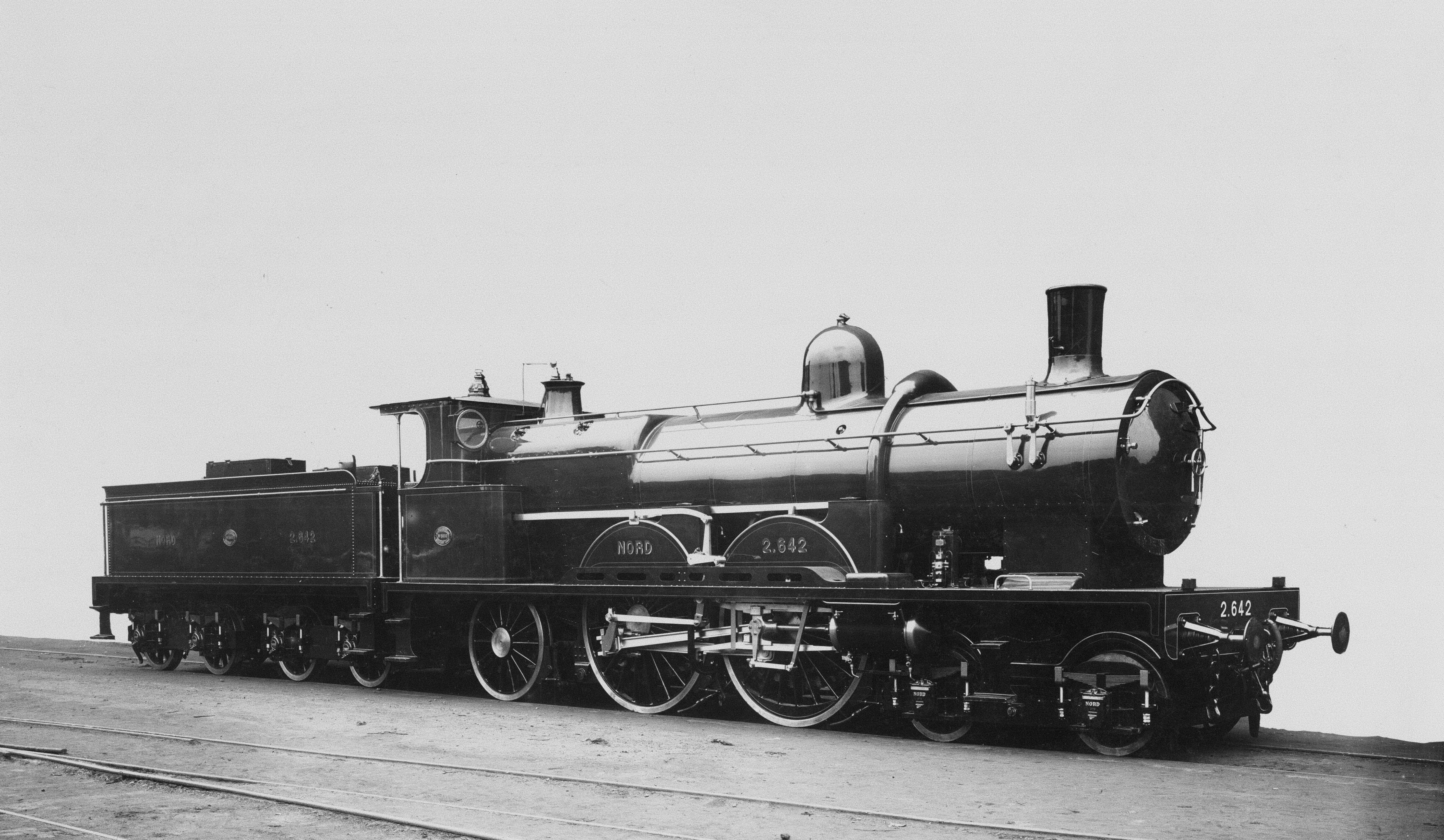
Many designs were shaped and tested by his close relationship with the Chemin de Fer du Nord and its chief engineer designer Gaston du Bousquet. Thousands of engines built to his core designs were running in the early years of the Twentieth Century in France, Germany and across Europe and beyond.
For railway specialists in Britain, de Glehn represents just a short interlude: the period between 1903 and 1905 when the Great Western Railway bought three ‘de Glehn’ four-cylinder compounds during a period of experimentation by G.J. Churchward of the Great Western Railway. This phase ended with a decision not to pursue compounding or buy more de Glehn locomotives. Traces of de Glehn were left in Britain, however. Churchward adopted the four-cylinder arrangement for express locomotives as well as the successful de Glehn bogie. And these innovations radiated out to other British railways in the 1920s and 1930s.
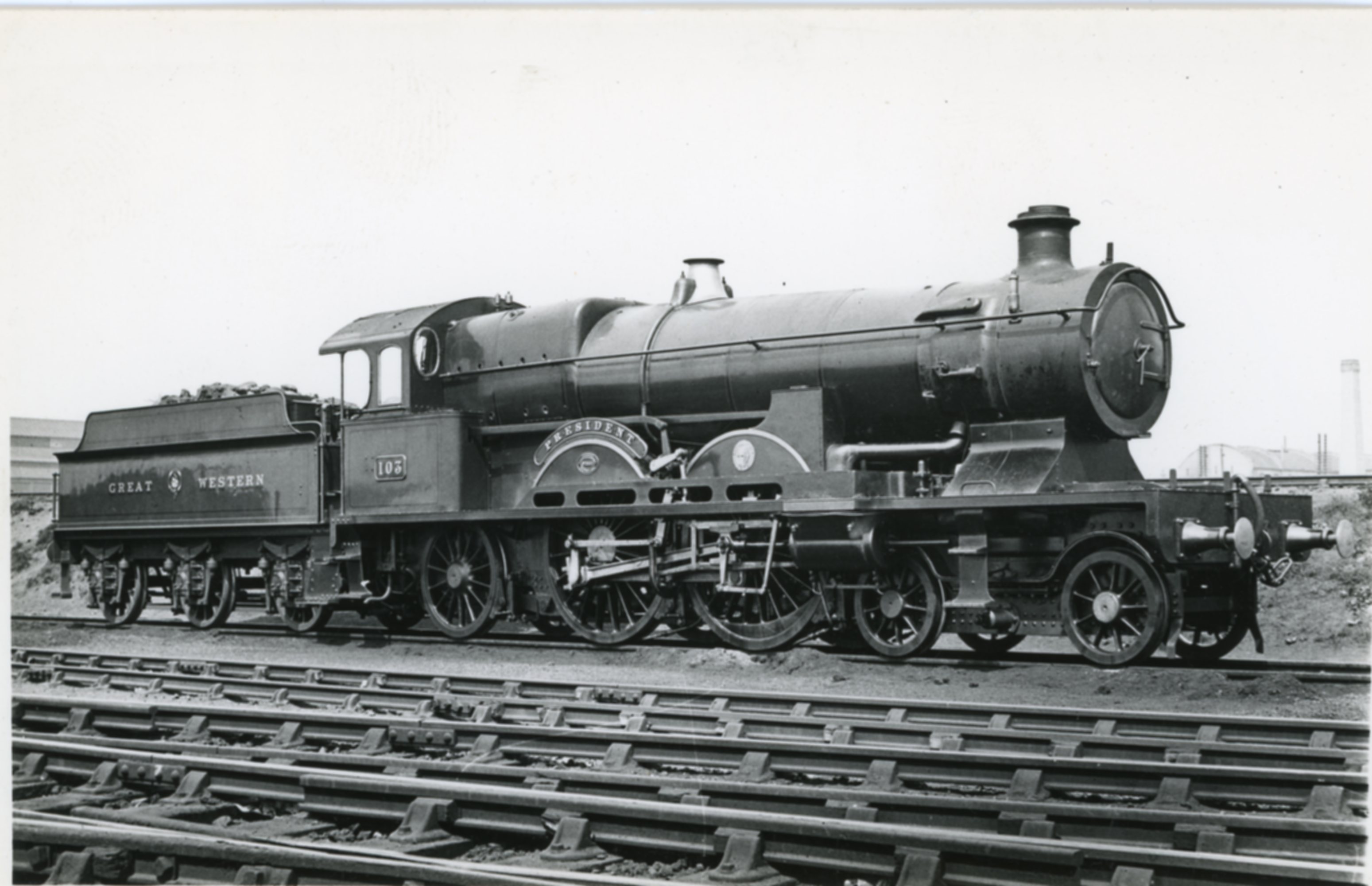
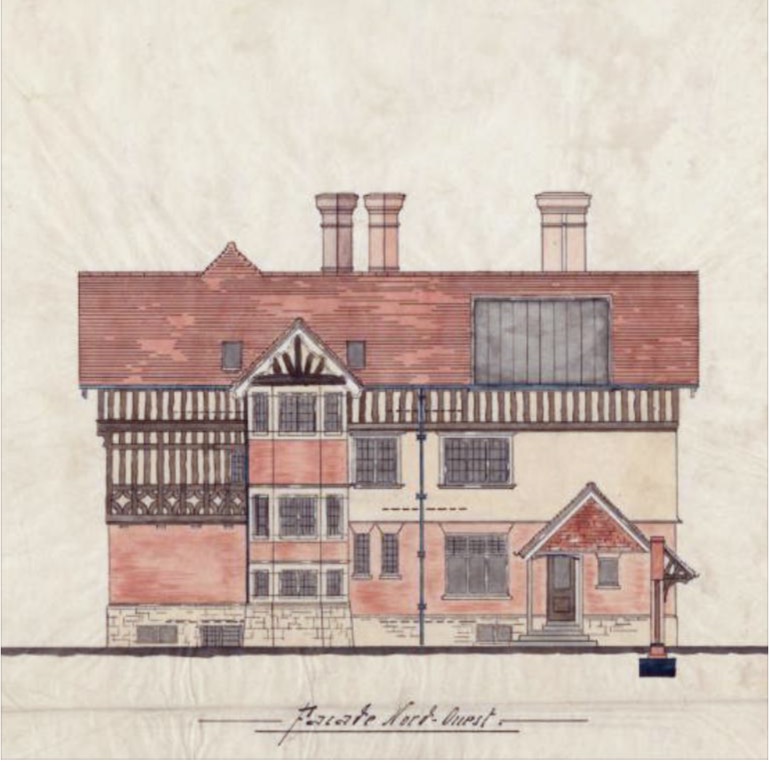
By contrast, in France, and notably in Alsace, de Glehn represents a significant figure, a holder of the legion d’honneur. The French national railway museum in de Glehn’s home, Mulhouse, is located at 2 Rue Alfred de Glehn. He was deeply embedded in civic life and contributed to initiatives in public health, housing, and employee training and education. His house in Mulhouse is unique in France.
This first richly-referenced biography of de Glehn in any language will draw together research on the design and operation of his locomotives, presented with technical details and recorded performance, based on contemporary accounts in the specialist literature in France, Britain and Germany. The book also includes the history and background of SACM, as yet largely unrecorded in the English-language literature in the context of economic and railway developments of the period.
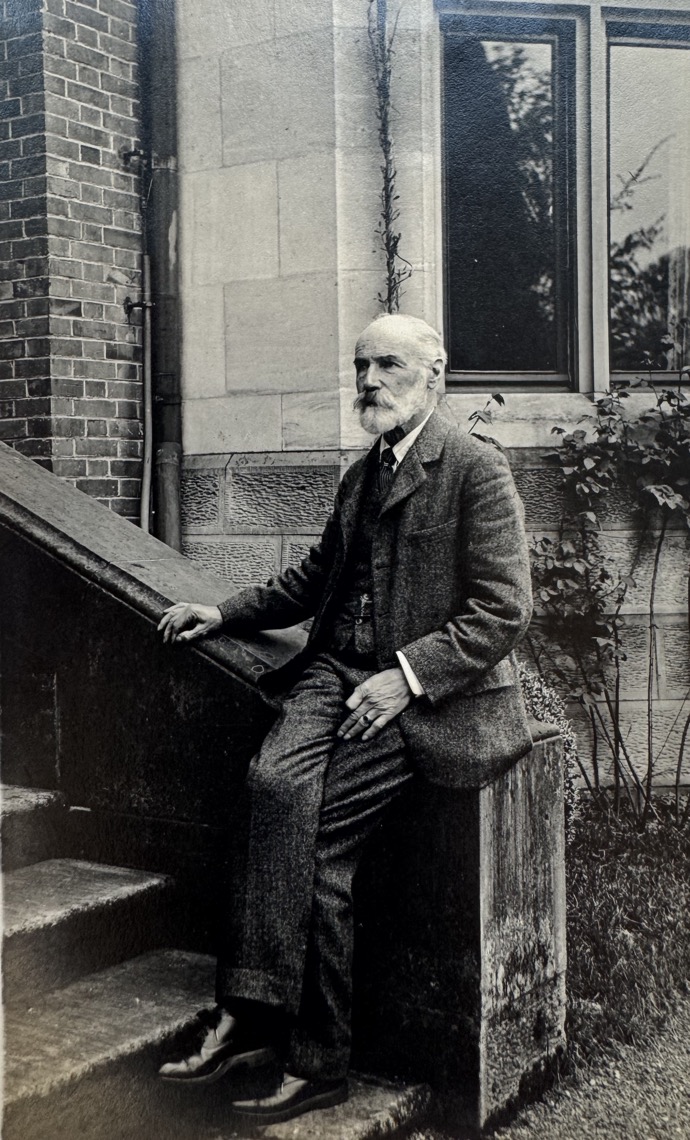
De Glehn’s Memoir, to which the author has access, also enables us to see him as a rounded individual, with a wide spectrum of interests and concerns.It reveals not the somewhat elusive figure behind the G.W.R.’s experiment, but a cultivated, witty, astute and emotional man.
The biography by Pete Burgess will be published in 2026